The article explains how adaptive protection schemes address the unique operational challenges of microgrids operating in grid-connected and islanded modes. It outlines microgrid protection strategies and demonstrates how adaptive relaying improves reliability and fault response through a representative case study.
The detection and disconnection of short circuits and other abnormal circumstances in the electrical supply is known as protective relaying or protection. Power system protection is an important consideration in electrical engineering for preventing or reducing harm to a power system’s critical elements. Furthermore, a correctly designed protection plan is critical for assuring system reliability, protecting human safety, minimizing power disruptions, and maintaining supply quality, among other things.
Protection System Components
As indicated in Figure 1, a traditional protective system consists primarily of sensing, decision-making, switching, power supply, communication, and control elements. Sensing devices are primarily designed to deliver accurate feedback on the power system’s desired operation via continuous monitoring. The electric signals produced by sensing devices activate decision-making devices such as relays. When a faulty state is recognized, relays send out protection signals, which open or close the faulty circuit as needed. Circuit breakers are in charge of breaking circuits carrying fault currents, based on feedback from relays. Batteries and other power supply devices are used to ensure that the relays and circuit breakers in the system have an uninterrupted power supply and are not reliant on the system’s primary power source.
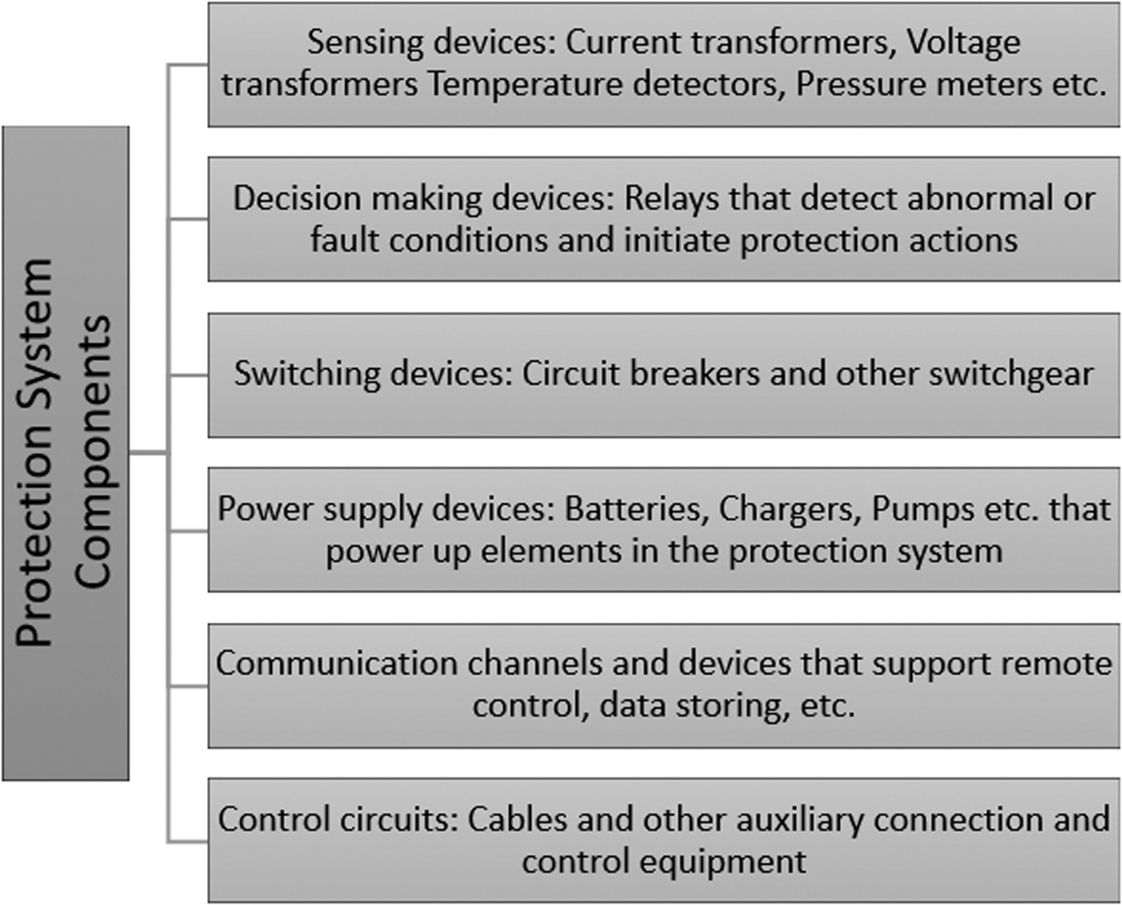
Figure 1. Protection system components
Properties of a Protection System
Sensitivity, selectivity, reliability, and speed are the four essential characteristics of a protective system. All of these properties should be present in an ideal protection solution.
Sensitivity: This refers to the ability to detect the smallest fault conditions as well as moderate and severe defects. With large variations in the short circuit current level, sensitivity can be a serious issue in microgrid scenarios. The sensitivity of a relay’s pickup current setting is directly related to the sensitivity of the protective system, and it should be adjusted properly to provide protection at all fault levels.
Selectivity: This refers to how well primary and backup protection mechanisms work together. In the event of a fault, the primary relays should be activated first, followed by backup protection with the required delay.
Reliability: Dependability and security are the two major sub-qualities of reliability. Dependability is the ability to perform correctly for the specified period of time. The capacity to avoid unnecessary activities under normal operating conditions is referred to as security. The protection, for example, should not be triggered by faults outside its zone and should have a transient tolerance.
Speed: Another important component in improving the performance of a protective scheme is speed. Faster problem resolution can help to keep network and equipment damage to a minimum. Unnecessarily speedy procedures can result in undesirable outcomes; therefore, tolerance levels should be established.
Microgrid Protection Schemes
Microgrids are typically looped or meshed systems with distributed generation. They can operate in a variety of topologies, including grid-connected and islanded modes. These potential network alterations could result in variations in the short circuit level, necessitating constant monitoring of protection settings.
Line Protection
The most popular types of line protection are overcurrent and distance. The overcurrent method is the most straightforward and cost-effective of the two. Even though it is the simplest approach, protecting novel distribution networks with varying topologies and embedded generation is more complex.
Because of the meshed topology of these networks and the presence of distributed energy resources, directional overcurrent relays (DOCRs) are being used more frequently. The purpose of DOCRs is to determine the direction of current flow by measuring the phasor difference between current and voltage. The relay will only turn on if the fault is occurring in front of it. In a mesh system, this directionality function is critical for correctly locating the causes of failures. Relays will not operate if fault currents are flowing in the opposite direction.
Primary and Backup Protection
The microgrid primary relay is the one that is closest to the fault. A fault can have multiple primary relays, each of which isolates the fault by disconnecting a particular segment of the network. If the fault is not removed by the primary protection, backup protection steps in. Backup relays are normally time-synchronized with primary relays, and if the fault lasts longer than the predetermined duration, backup relays are triggered. Relay miscoordination can lead backup relays operating before primary relays, resulting in needless disconnections and the de-energization of large sections of the network. In a radial network, primary backup coordination is generally simple, but it can be time-consuming in a meshed or DG-sourced network.
Adaptive Protection Schemes for Microgrids
Microgrids are dependable and cost-effective platforms for distributed generation (DG). They can work in both grid-connected and islanded configurations. As a result, there may be concerns with microgrid protection systems, such as fluctuations in fault current levels during the two modes of operation. This problem can be solved using an adaptive protection mechanism. The relay settings will be adjusted according to the operating mode under this scheme. Intelligent relays that can identify the mode of operation can be used for this purpose.
The fault current is the most significant distinction between these two modes. Because the main utility grid produces a large quantity of fault current, the grid-connected mode has a high fault current level. The utility grid is separated from the microgrid during the islanded mode of operation, and it no longer serves as a fault current resource. As a result, there will be a change up to a particular level in the short circuit level. As a result of these considerations, the protective system should be adjusted to the mode of operation.
What Is Adaptive Protection?
Adaptive protection can be described as an online system that injects externally generated signals into the power grid according to the changes in the system. Microgrid circumstances are constantly altering in response to the fault level of the distribution network.
To handle these dynamic conditions in the power system, a novel adaptive relay model has been designed. Microprocessor-based relays offer multi-functional capabilities and are well-suited to such dynamic scenarios. They can continuously monitor the state of the electrical system and detect any disturbance within their protection range. Relays with adaptive features can modify their online status based on the microgrid’s failure level.
Adaptive Protection Algorithms
This section introduces general algorithms for designing an adaptive protection scheme, including the relay operation and adaptive protection function in grid-connected and islanded modes. Figure 2 represents the block diagram for the adaptive protection relay used here. The operation algorithms for islanded and grid-connected modes are shown in Figures 3 and 4, respectively.
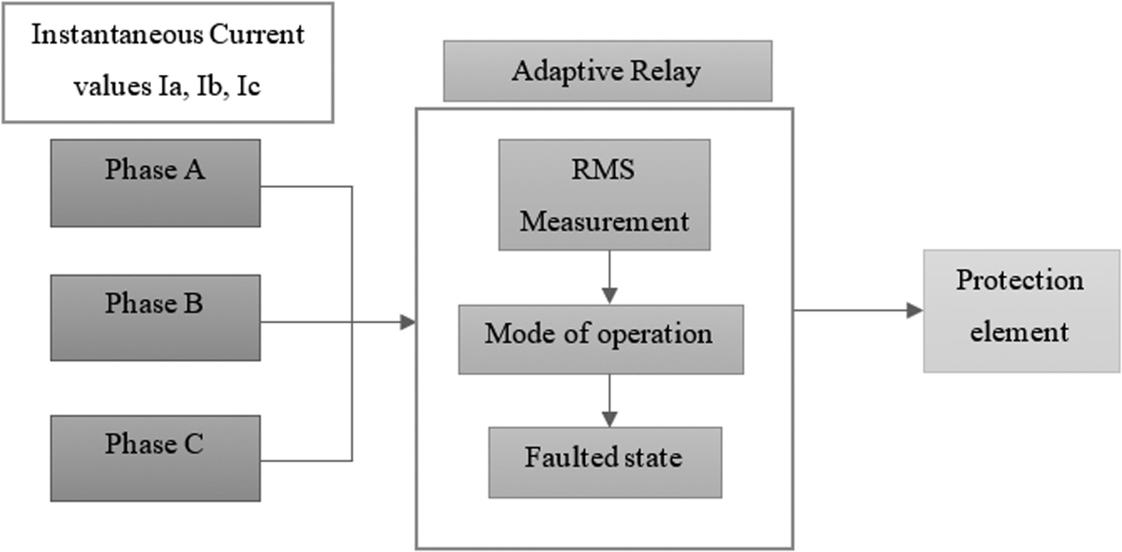
Figure 2. Block diagram of an adaptive protection relay
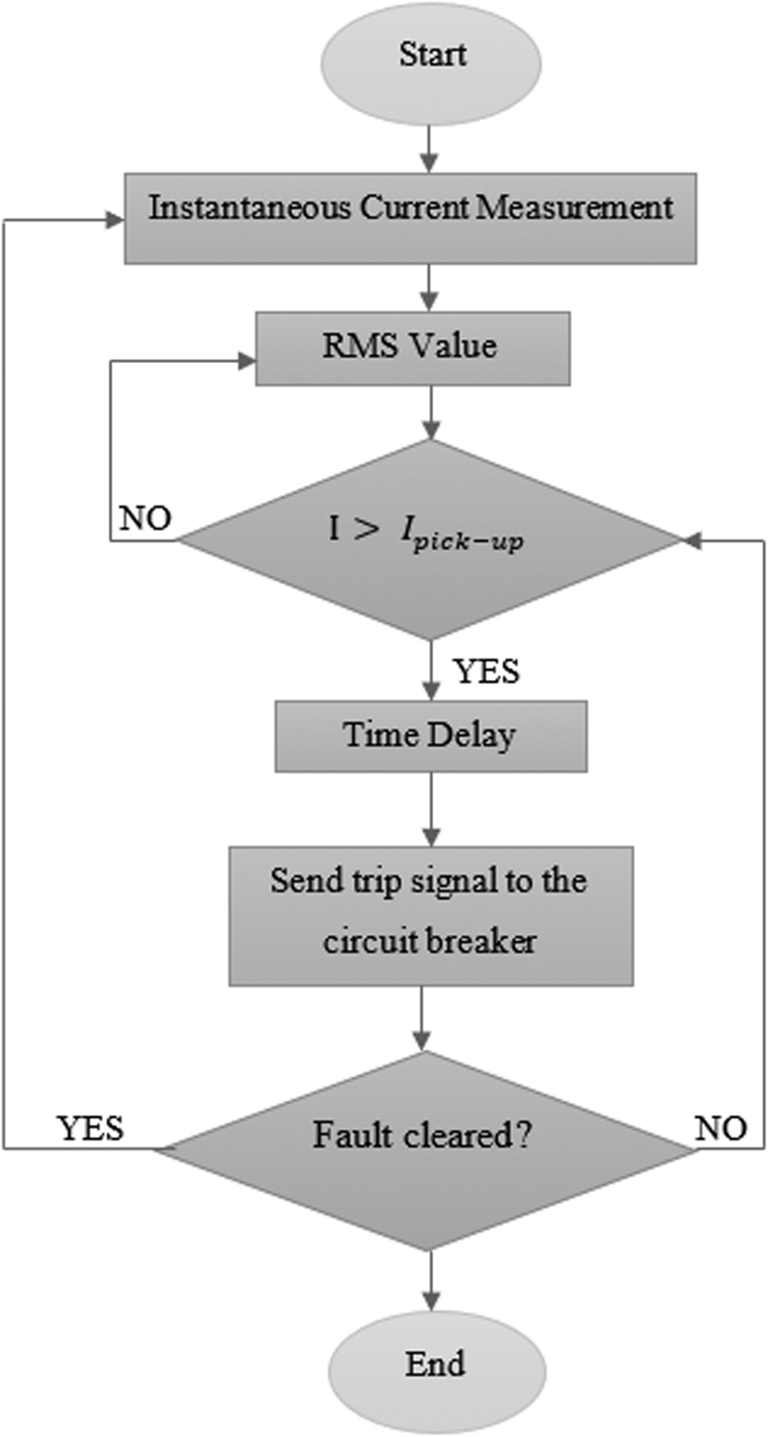
Figure 3. Flow chart for islanded mode
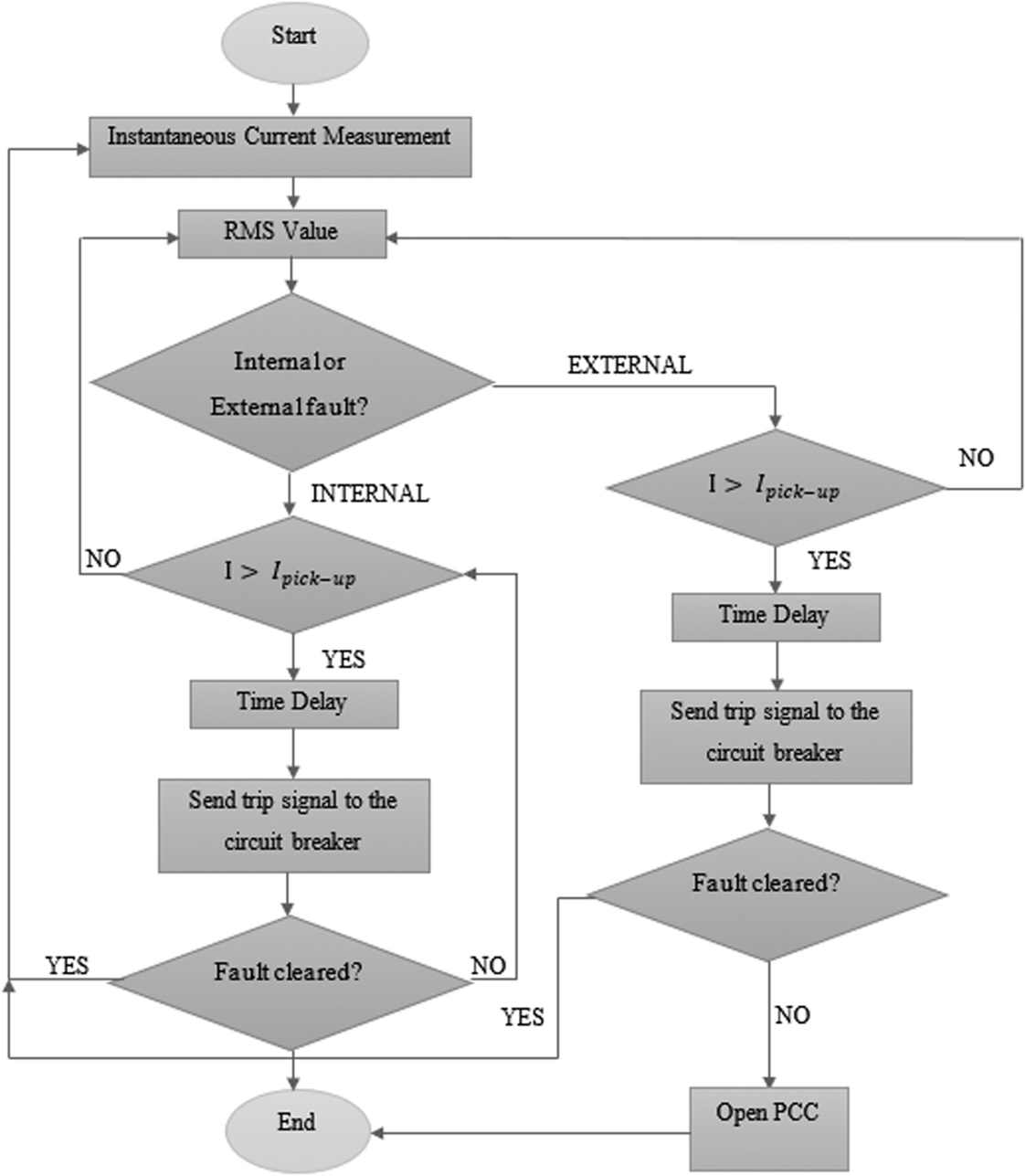
Figure 4. Flow chart for grid-connected mode
The protective elements that are necessary for this scheme are comparable to those required for a traditional grid, such as transducers, circuit breakers, and relays. As the microgrid’s operating mode shifts from grid-connected to islanded, the fault level drops dramatically. As a result, it is critical that the relay understands the microgrid’s operating mode.
Adaptive Protection in Microgrid Case Study
Here we consider a research-based outcome of the implementation of an adaptive protection scheme for a microgrid. In the test system in Figure 5, electric grid operates at 400 V and is stepped down to 230 V. The distributed generating units that make up the microgrid generate 230 V electricity. Through the PCC, the microgrid is connected to the main utility. The PCC is controlled by a breaker, which opens when the islanded mode of operation occurs.
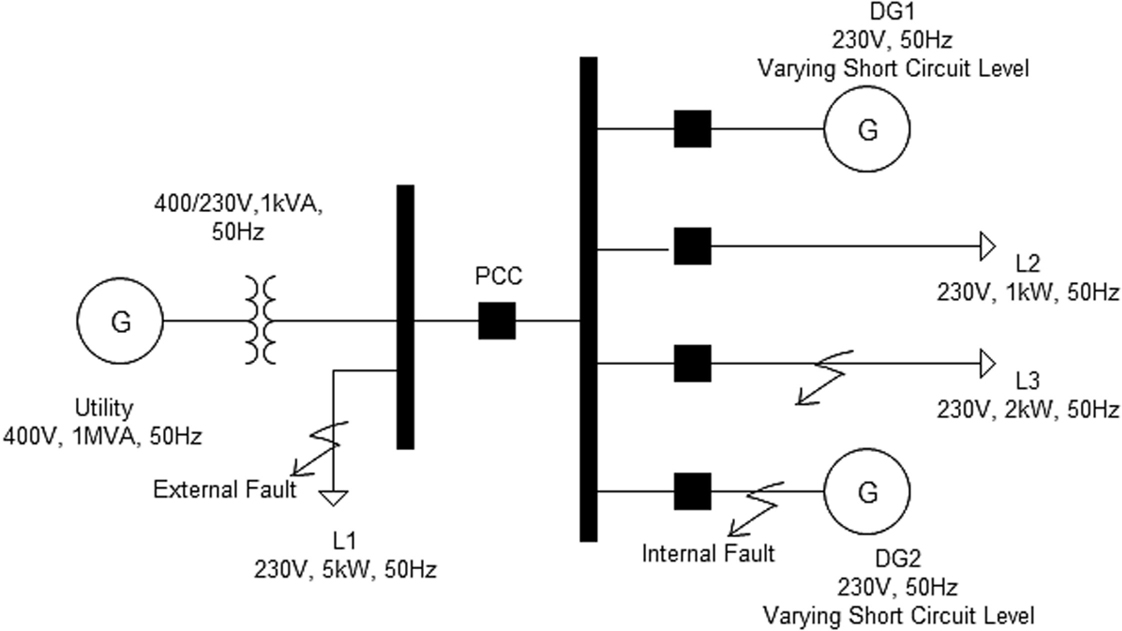
Figure 5. Microgrid test system
The system operation can be tested under two scenarios as follows.
- Case 1: Fault at the distributed generator
- Case 2: Fault at the load on the microgrid side
When the PCC is in the islanded mode, it is open; when it is in the grid-connected mode, it is closed. In MATLAB, we have a circuit breaker as a PCC, which is manually controlled. The problem occurs near DG2 on the microgrid side at point A, as illustrated in Figure 5. On the microgrid side, another problem occurs at point B, which is close to load 3 (L3). During these two tests, measurements of the power system current and fault current are taken in a variety of fault scenarios:
- Three-phase to ground fault
- Phase-to-phase fault
- Single-phase to ground fault
- Two-phase to ground fault
These data can be used to assess the effectiveness of the adaptive protection scheme that has been built. Table 1 displays the results obtained.
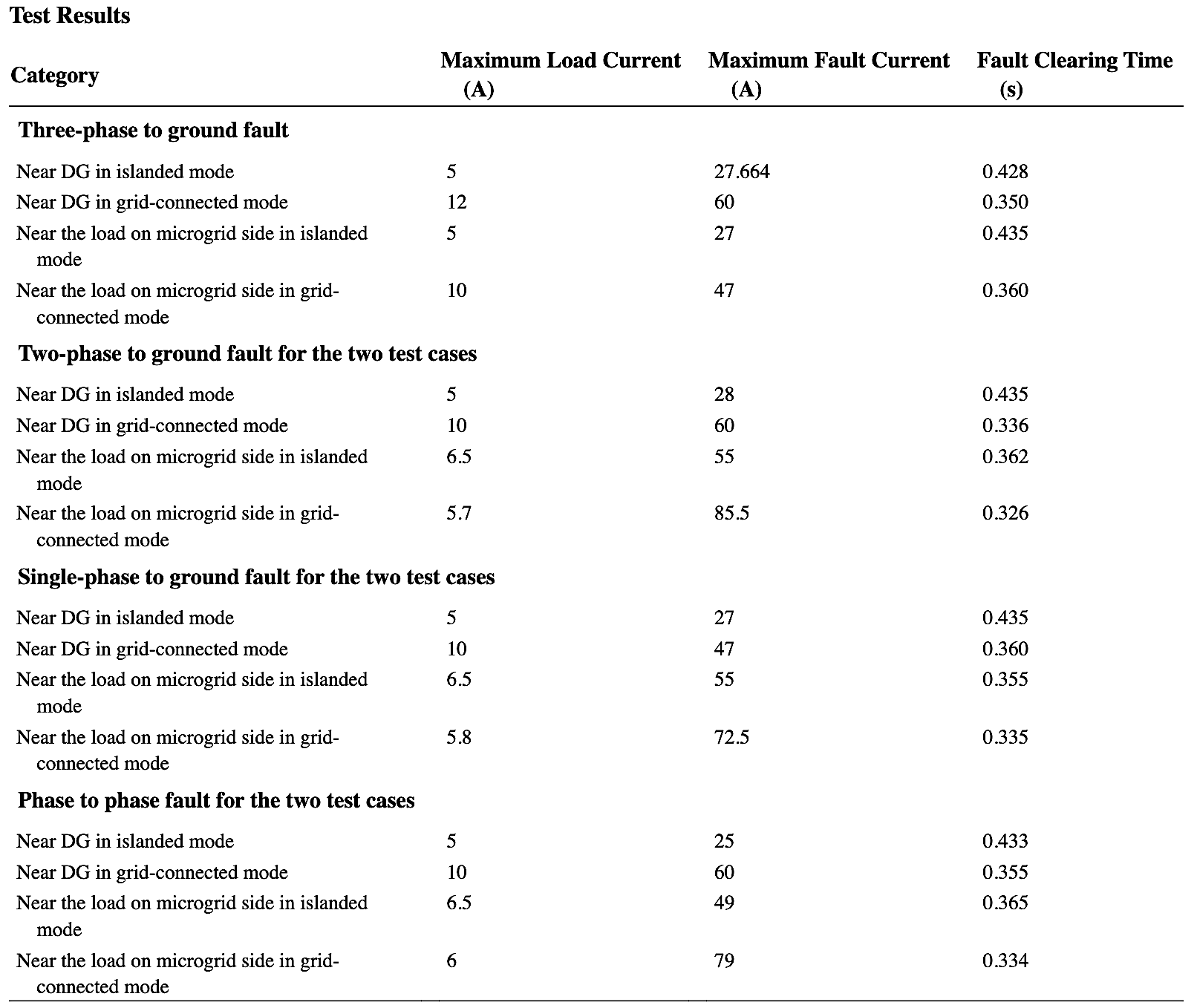
Table 1. Test Results of Adaptive Protection Scheme
According to the results obtained, we can observe that:
- Depending on the mode of operation, the fault current level varies significantly
- The time it takes for the relay to trip is reasonable in relation to the system’s fault level
- As the fault current increases, the fault clearing time decreases
The major goal of this study is to create a novel adaptive microgrid protection method based on the overcurrent principle and the level of fault current in the microgrid, by adjusting the relay settings based on the mode of operation. The results of the tests indicate that the proposed relay system operates appropriately and provides adequate protection in both modes of operation. Furthermore, if the relay’s time delay could be decreased, the relay’s performance would be improved.
Key Takeaways
In practical applications, adaptive protection is essential for ensuring that microgrids can operate safely, reliably, and flexibly under changing network conditions. As distributed generation and bidirectional power flows become more widespread, fixed protection settings are no longer sufficient to maintain selectivity, sensitivity, and speed across all operating modes. Adaptive schemes enable protection systems to respond appropriately to variations in fault levels and topology, reducing unnecessary outages while preserving equipment and personnel safety. By leveraging intelligent relays and real-time system awareness, adaptive protection supports the wider deployment of microgrids in utility, industrial, and campus environments, helping them deliver resilient, high-quality power in both grid-connected and islanded operation.