This article explores how output transducers like speakers convert electrical signals into sound and discusses their operating principles, types, and selection criteria based on frequency response.
Introduction to Output Transducers
Transducers are essential components in electronic systems that enable energy conversion from one form to another. They are primarily divided into two categories: input and output transducers. Input transducers, sometimes referred to as sensing devices, convert real-world phenomena like sound, light, or temperature into electrical signals. Common examples include microphones and thermocouples, which initiate signal processing by capturing environmental data.
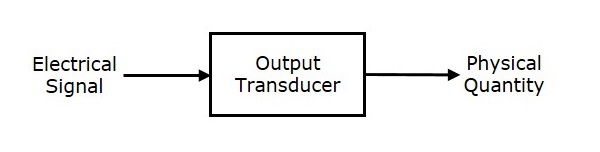
Figure 1. Basic Working of Output Transducers
Output transducers, on the other hand, translate electrical signals into physical effects such as sound, light, or movement. Devices like speakers, motors, and buzzers fall into this category. In audio systems, the speaker is the key output transducer, transforming electrical signals into sound waves. A clear understanding of how speakers operate and respond to signal variations is essential for developing effective sound reproduction systems. The sections that follow will explain the construction, function, and types of speakers in greater detail.
Serving as the endpoint in signal processing, output transducers bridge the gap between electronics and the physical world. While input transducers collect data from the surroundings, output transducers deliver a system’s response in a tangible form. In audio technology, they convert processed signals into sound; in automation, they may drive actuators, trigger lights, or produce alerts. Their function is vital to ensure that digital or analog signals lead to meaningful physical actions that users can hear, see, or interact with.
Speaker Construction and Working
In an audio amplifying system, the output transducer, or load device, is a speaker. It changes electrical energy into sound energy. Variations in current cause the mechanical movement of a stiff paper cone. Movement of the cone causes alternate compression and decompression of air molecules. This causes sound waves to be set into motion. The human ear responds to these waves.
The operation of a speaker is based on the interaction of two magnetic fields. One field is usually developed by a permanent magnet. The second field is electromagnetic. Permanent-magnet (PM) speakers are of this type. The electromagnetic part of the speaker is generally called a voice coil.
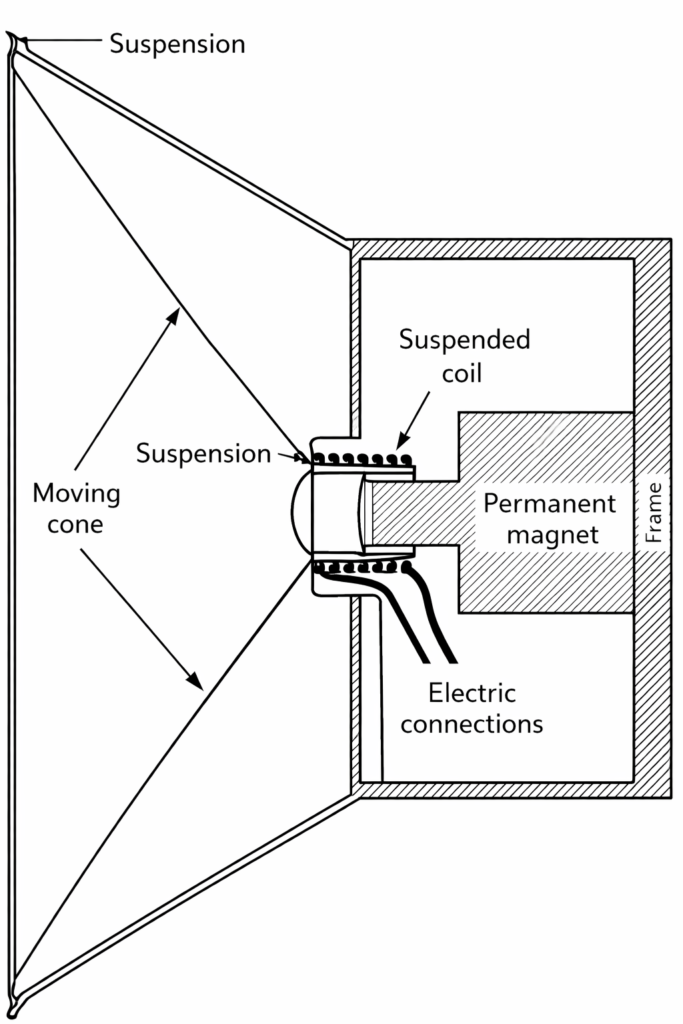 Figure 2. Cross-sectional view of a speaker.
The voice coil is attached to the cone and suspended around the permanent magnet. See the cross-sectional view of a speaker in Figure 2.
When current flows through the voice coil, it produces an electromagnetic field. The polarity of the field (north or south) depends on the direction of current flow. If AC flows in the voice coil, the field varies in both strength and polarity. The power amplifier of a sound system supplies AC to the voice coil. The changing field reacts with the permanent magnetic field. This causes the voice coil to move. With the voice coil attached to the cone, the cone also moves. This action causes air molecules to be set into motion. Sound waves are emitted from the speaker cone.
Frequency and Loudness Response of Speakers
The frequency of the applied AC signal determines how slow or fast the cone of a speaker responds. Operational frequency is based on the rate or speed of change of the electromagnetic field. The loudness of the developed sound wave is based on the moving distance of the cone. This depends on the amount of current supplied to the voice coil by the power amplifier. The primary function of an amplifying system is to develop electrical power to drive a speaker.
When selecting a speaker for a specific application, one must take into account a number of considerations. Generally, it takes a large speaker to properly develop low-frequency sounds. Large volumes of air must be set into motion for low-frequency reproduction. Small speakers cannot effectively move enough to produce low tones. Small speakers respond better to high-frequency tones. High-frequency reproduction requires rapid development of air pressure. Small cones can move very rapidly. Large speakers with a big cone and voice coil cannot react quickly enough to produce high-frequency tones. A speaker obviously cannot be large and small at the same time.
In a high-fidelity sound system, at least two speakers are needed to reproduce a typical audio signal: small and large. A small high-frequency speaker is commonly called a tweeter. The cone of this speaker is generally made of a rather stiff material. Some units employ thin metal cones. A large low-frequency speaker is called a woofer. The cone of this speaker is usually quite flexible.
Some systems may also employ an intermediate range speaker, or midrange speaker. Speakers of this type are designed to respond efficiently to frequencies at the center of the audio range. A great majority of the sound being reproduced falls in this range. These speakers are frequently housed in a wooden enclosure.
Review Questions
- The __________ in a speaker is the electromagnetic part that interacts with the permanent magnet.
- A __________ speaker is used for reproducing high-frequency sounds.
- The __________ of the applied AC signal controls how fast the cone moves.
- The __________ of a speaker determines the loudness of the sound wave it produces.
- A __________ is needed in high-fidelity systems to reproduce low-frequency sounds.
Answers
- voice coil
- tweeter
- frequency
- current
- woofer
Key Takeaways
Output transducers like speakers are essential components in audio systems, enabling the final conversion of electrical signals into sound energy. Their proper selection based on size and frequency response ensures accurate and efficient sound reproduction.